
每年的6月27日是全國愛滋病毒檢測日。今天,我們強調定期進行愛滋病毒檢測的重要性。所有年齡在13到64之間的人都應該至少接受一次檢測。有些人應該定期接受檢測——這取決於以下因素:
-
- 如果你在性行為中不使用保險套
- 如果你與多個伴侶發生性關係
- 如果你與他人共用針頭或註射器
- 如果您屬於比其他群體更容易受到愛滋病毒影響的群體,包括:
- 與男人做愛的男人
- 黑人/非裔美國人
- 西班牙裔/拉丁裔
- 跨性別者
- 如果您曾經罹患性傳染感染(STI),因為性傳染感染會增加您感染愛滋病毒的風險。一些常見的性傳染病包括披衣菌感染、淋病和梅毒。
- 如果你吸毒或酗酒
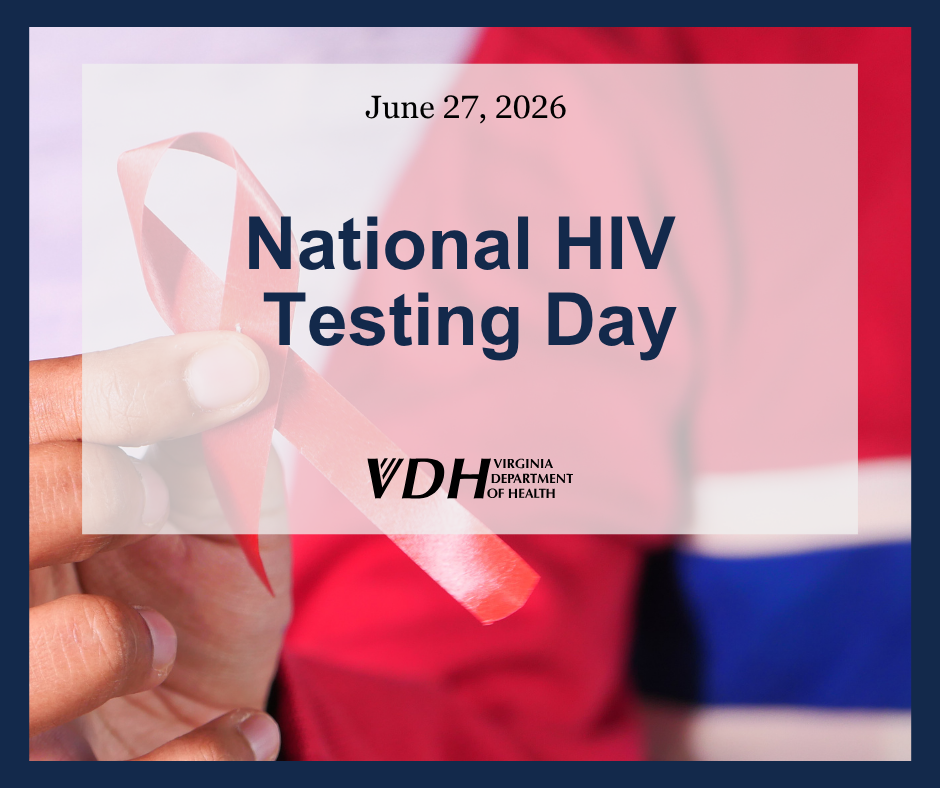 為什麼愛滋病毒檢測很重要?
無論你的健康狀況如何,了解自己的健康狀況都能讓你做出重要的健康決定,進而保持健康。如果檢測結果為陰性,您可以採取一些措施來確保您仍然未感染 HIV,例如服用 PrEP(暴露前預防藥物)。如果你的 HIV 檢測結果呈陽性,有安全有效的治療方法可以讓你過上健康長壽的生活。但是,重要的是您要按照醫生的指示開始並堅持接受治療。如果你感染了 HIV,卻不接受 HIV 治療,會對你的免疫系統產生負面影響,並使你更容易感染其他嚴重甚至危及生命的疾病。
測試可用性
Virginia 的許多地點可以低廉或免費進行 HIV 測試。
本地衛生部門
當地衛生部門在其性健康診所提供愛滋病毒檢測,並根據收入情況實施階梯收費。如需更多信息,請查找您當地的衛生部門並致電諮詢。
社區組織/診所
VDH 和其他聯邦計劃為 Virginia 的許多社區組織和健康診所提供資助,以提供愛滋病毒測試。這些診所大多提供免費檢測。社區組織和診所提供的檢測類型可能有所不同——有時他們會提供快速檢測,當天即可獲得結果。
尋找您附近的機構或診所,了解他們提供的檢測服務,看看是否可以進行無需預約的檢測,或是否需要預約。
愛滋病毒自檢試劑盒
你甚至可以在自己的私人空間進行測試!VDH 提供免費的艾滋病毒自我測試套件。只要完成一份問卷,我們就會以隱密包裝將試劑盒郵寄給您。測試操作簡單,製造商設有24 / 7熱線,如果您在測試過程之前、期間和之後有任何疑問或疑慮,都可以撥打該熱線。
有興趣獲得免費的愛滋病毒自檢試劑盒嗎?請查看這份問卷。
需要更多幫助嗎?
要了解有關愛滋病測試或其他性病測試的更多信息,請訪問 VDH 測試網頁。
如果您有任何疑問或需要協助尋找提供檢測的地點,請撥打我們的熱線。熱線服務時間為美國東部時間週一至週五上午8點至下午5點。熱線在Virginia州節假日關閉。撥打免費電話, 1 - 800 - 533 - 4148 。
在今年的全國愛滋病毒檢測日,了解或更新您的愛滋病毒感染狀況。採取必要的措施來照顧您的健康!
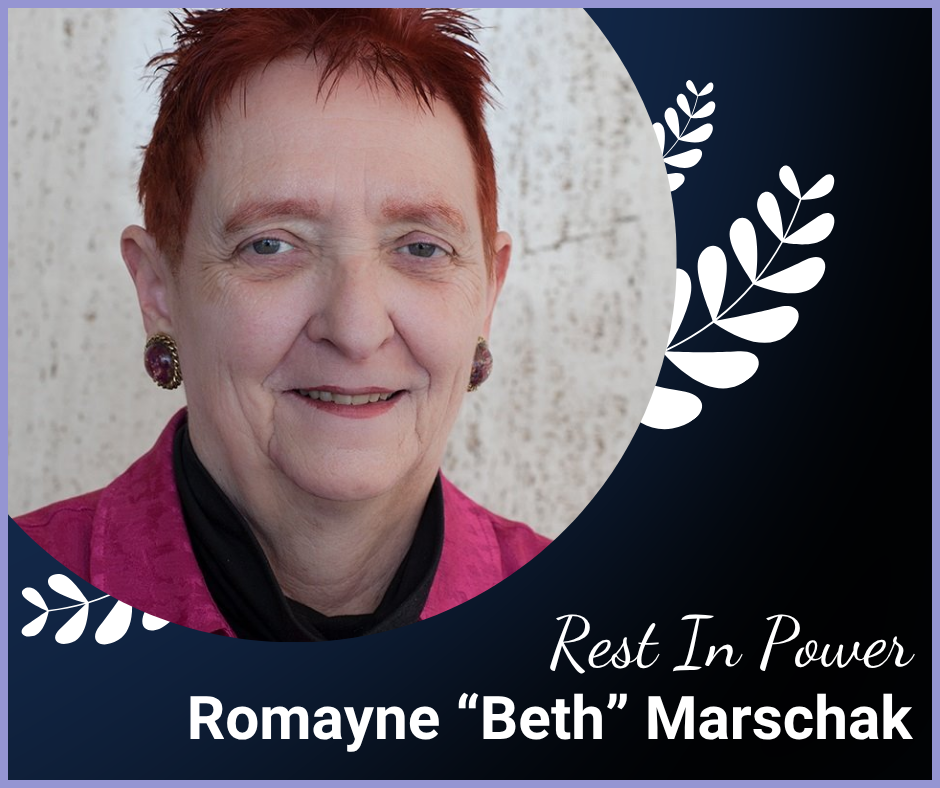 Romayne "Beth" Marschak 於 6 月3 驟然離世,2026 。 貝絲與 VDH 和疾病預防部(DDP)合作了二十多年。她加入 VDH 擔任熱線顧問,然後幾年後轉為合同管理員。貝絲不僅通過她的工作致力於公務服務,而且在她的大部分一生中,她還在Richmond的大部分地參與了社區,公民權和人權活動。她是 LGBTQ + 社區中的支柱,通過她的活動工作建立聯繫。
  我叫 Thomas,我的 C 型肝炎治癒了,以下是我的故事:
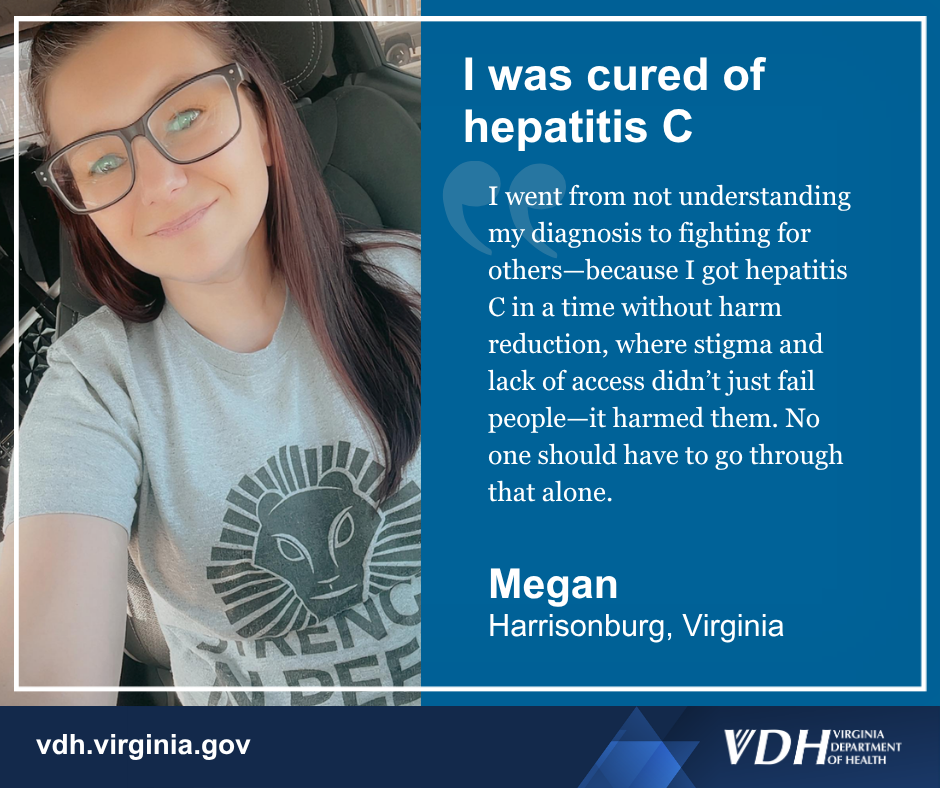 我叫 Megan,丙型肝炎已經痊癒了。 這就是我的故事:
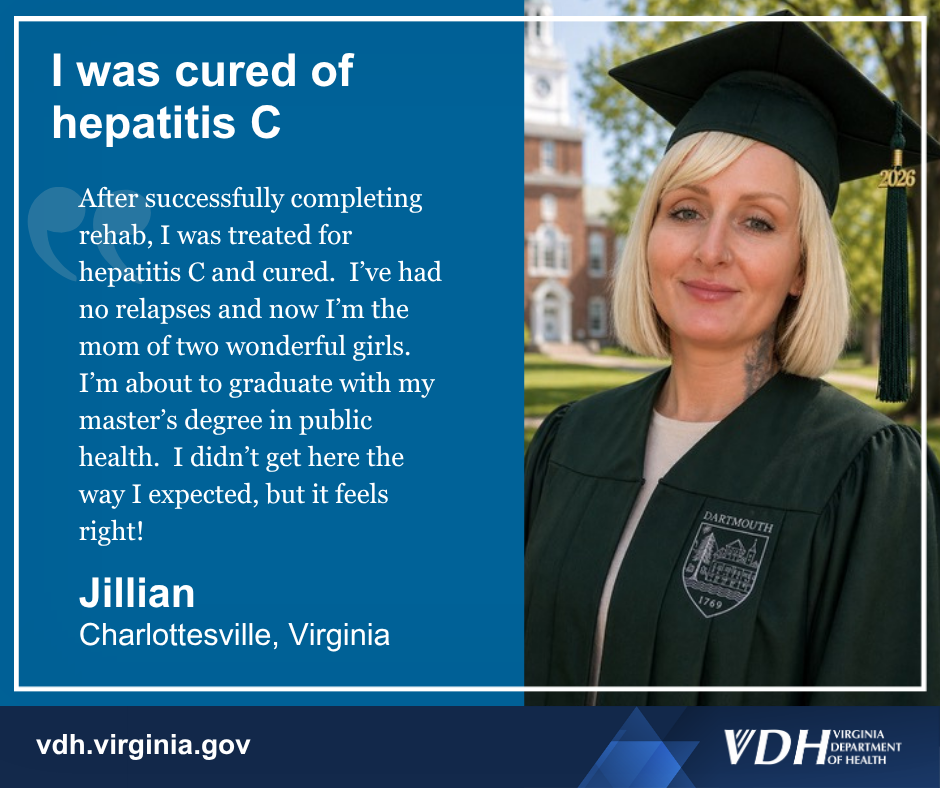 我叫 Jillian,丙型肝炎已經痊癒了。這就是我的故事:
 病毒性肝炎的主要事實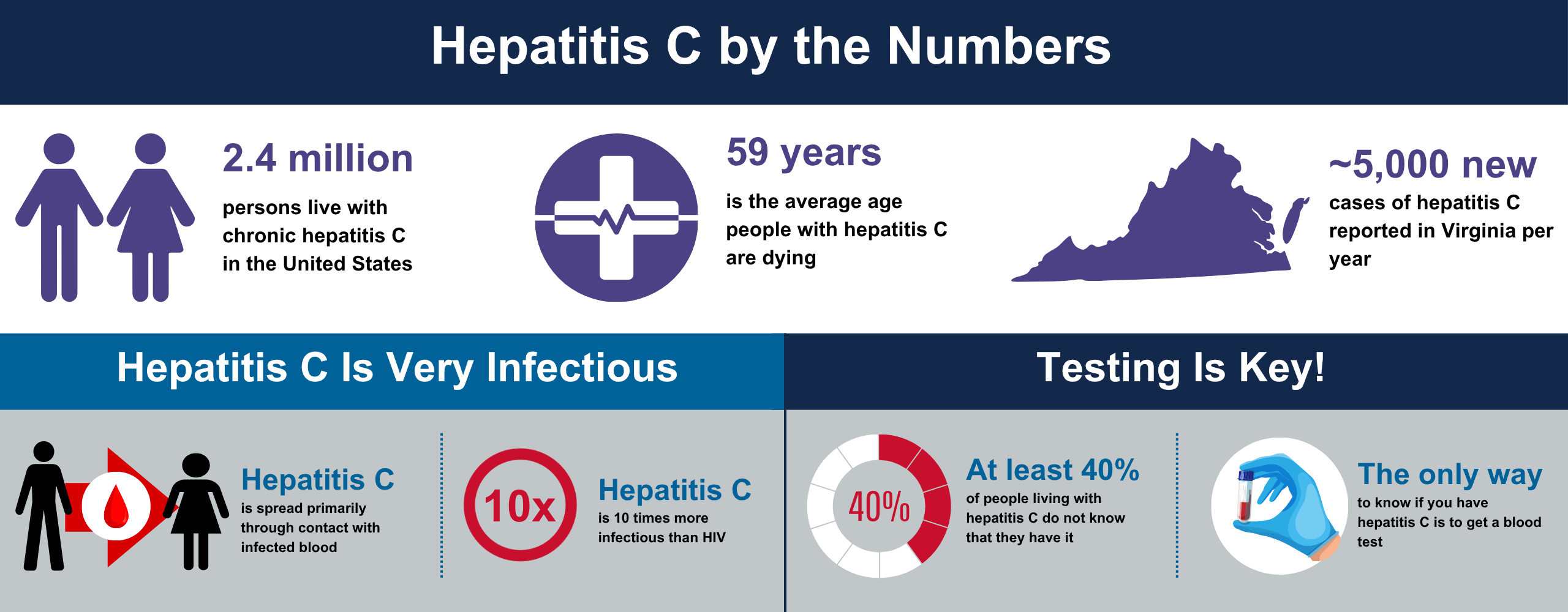

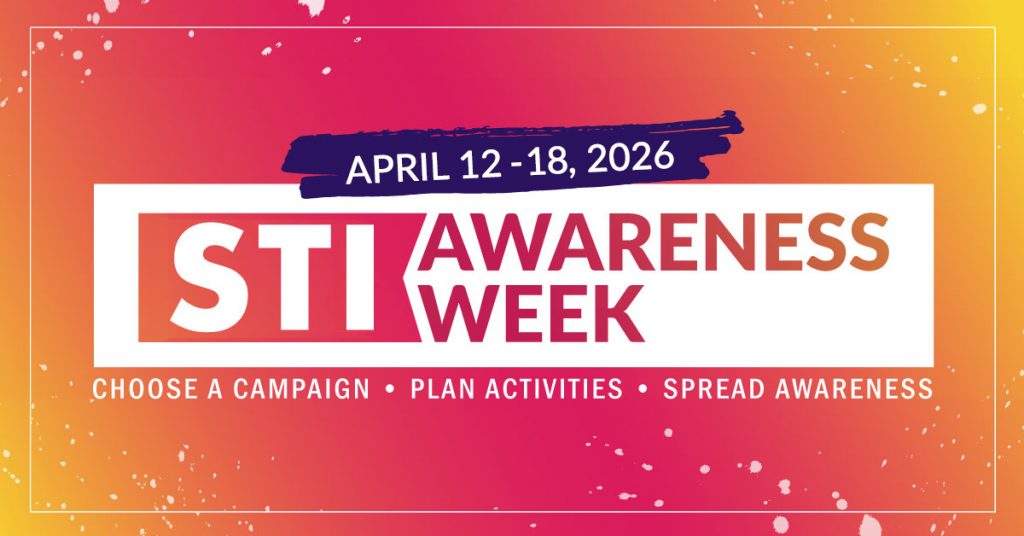 性病警覺週(SAW)是每年四月的第二個完整週。今年是 4 月12-18 。SAW 有助於提高人們對性傳播感染 (STI) 的認知。它也顯示 STI 如何影響我們的生活,並有助於減少羞辱、恐懼和歧視。我們經常使用 SAW 來分發有關性傳染病預防、檢測和治療的工具和知識。
 Virginia發生了什麼事?