FDA 建議限制 7-OH 產品

美國食品和藥物管理局(FDA)建議 7-羥米特拉金氨酸(稱為 7-OH)成為受控物質,由於它與阿片類藥物受體結合的能力,使其可能會上癮。7-OH 是克拉特姆植物的濃縮成分。FDA 專注於監管 7-OH,而不專注於天然克拉 טום 產品。

7-OH 產品的使用和可用性正在以令人擔憂的速度增長。FDA 尚未批准任何 7-OH 藥物或 7-OH 膳食補充劑,7-OH 不能合法添加到食物中。含有 7-OH 的水果味軟糖和冰淇淋蛋糕對兒童和青少年特別有吸引力。藥物執法局正在審查 FDA 的建議使 7-OH 成為受控物質,並將稍後作出最終決定。

如需更多資訊:

FDA News Release: https://www.fda.gov/news-events/press-announcements/fda-takes-steps-restrict-7-oh-opioid-products-threatening-american-consumers

VDH Kratom Factsheet: https://www.vdh.virginia.gov/environmental-health/public-health-toxicology/kratom/

FDA 7-OH Product Page: https://www.fda.gov/drugs/information-consumers-and-patients-drugs/hiding-plain-sight-7-oh-products

卡痛

什麼是卡痛 (kratom) ?

Kratom (Mitragyna speciosa) is a tropical tree native to Southeast Asia. When the leaves are consumed it produces stimulant effects in low doses, and sedative effects in high doses. Some people take kratom, against warnings, to reduce opioid cravings or treat pain. Others take it recreationally, believing it helps improve their mood.

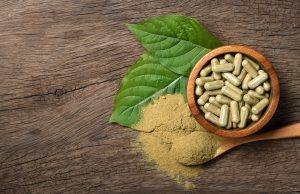
Kratom contains a variety of chemicals. The two major psychoactive ingredients are mitragynine and 7-hydroxymytragynine (7-OH). Kratom is mostly abused by ingesting it in the form of a tablet, capsule, or extract. Some individuals ingest it as a tea or simply chew the leaf. Laboratory-synthesized 7-OH is being sold and added to kratom products exposing users to concentrations of psychoactive ingredients that are unexpected and harmful.

Kratom was first introduced into the US in the late 1990s and for years its use was very limited. In recent years kratom use has become much more common, possibly because of the opioid epidemic and people trying to use kratom to reduce their dependence on opioids. Kratom is easily available and often sold in gas stations, smoke/vape shops, corner stores, and online. According to an analysis of 2015-2025 data from the National Poison Data System (NPDS), the U.S. Centers for Disease Control and Prevention (CDC) found that kratom-related exposures reported to NPDS increased by approximately 1,200%, reaching record levels in 2025.

A 2019 study on Poison Control Center calls related to kratom found they’ve become much more common in the past few years. In 2011 Poison Control Centers received 13 calls about kratom. This rose to 682 in 2017, and two-thirds of the 1807 kratom-related calls between 2011–2017 happened in 2016 and 2017.

卡痛是否安全? 

The Food and Drug Administration (FDA) has warned people not to take kratom because of safety concerns and the risk of addiction. The sale of kratom is not approved by the FDA meaning the FDA has not:

  • determined kratom to be safe or effective.
  • inspected products to make sure they contain the ingredients they’re supposed to.
  • determined the concentration of the active ingredients is correct.
  • determined if the product is contaminated.

Since kratom is not approved by the FDA; different products can differ in strength and could have unknown contaminants. Companies selling kratom don’t have to follow safe manufacturing regulations, and in 2018 there was an outbreak caused by Salmonella bacteria in kratom that made people sick in 41 states.

People can overdose on kratom, and it can interact with other medications, alcohol, or recreational drugs in ways that can be dangerous. Kratom has been linked to drug-associated deaths. In most cases kratom was taken along with other drugs, but in a few cases, kratom was the only drug used. Kratom can be addictive, and babies born to mothers who use kratom sometimes have to be treated for opioid withdrawal symptoms.

卡痛是否合法? 

Some states or localities have laws against the sale or possession of kratom. In Virginia, it is illegal to sell kratom to people under the age of 21. As of November 2026, kratom products must include a label listing all the ingredients and a warning about potential dependency and opioid-like withdrawal. The law also bans the sale of products containing 7-OH.

聯邦政府是否提出了保護人類健康的建議?

There are currently no federal laws regulating kratom, although the FDA has used its authority to regulate unapproved drugs and unapproved dietary additives to restrict the import of kratom. In July 2026, the U.S. Drug Enforcement Administration (DEA) filed its intent to temporarily place 7-OH into Schedule 1 of the Controlled Substances Act (CSA).

卡痛的副作用有哪些? 

Kratom is a drug and can have side effects that can be dangerous. Stimulant side-effects occur at low doses while sedative side-effects occur at higher doses. Kratom causes loss of appetite, anorexia, insomnia, tremors, hallucinations, confusion, and rapid heartbeat. People often report feeling itchy after taking it. It can cause nausea and vomiting. At high doses kratom can cause seizures. People who take kratom regularly can develop liver injury.

我一直在使用卡痛,我該怎麼辦? 

Tell your doctor. Even if you don’t plan to stop taking kratom you should talk to your doctor about potential interactions with other medications or drugs or alcohol and the possibility of becoming dependent on kratom. Women who are pregnant, planning to become pregnant, or nursing should stop taking kratom to protect their baby from exposure. Like drugs, kratom should be stored out of the reach of children.

如果您或其他人(尤其是兒童)誤食了卡痛,請撥打毒物管制中心熱線 1-800-222-1222。如果患者出現嚴重的副作用,請撥打 911。

What are resources to treat addiction?

我可以在哪裡獲得更多資訊?


已更新:2026

卡痛

什麼是卡痛 (kratom) ?

Kratom 是由熱帶常綠樹的葉子製成的草藥提取物。它在美國作為草本補充劑出售。Kratom 具有一些類似於仿冒藥物的特性,但也可以作為輕度刺激劑。有些人服用 Kratom 來減少麻醉藥的渴望或治療疼痛。其他人以娛樂方式來看,相信它有助於改善情緒。

為什麼最近我聽到這麼多關於 Kratom?

Kratom 在 1990 年代後期首次引入美國,多年來,它的使用非常有限。近年來,克拉 טום 的使用變得更常見,可能是由於麻醉藥疫情和人們試圖使用 kratom 來減少他們對藥物的依賴性。關於與 kratom 有關毒素控制中心呼叫的一項新研究發現,它們在過去幾年中變得更常見。在 2011 中毒控制中心收到了有關 Kratom 的 13 電話。在 2017 中,這增至 682,2011-2017 之間與 1807 卡通話的三分之二發生在 2016 和 2017。

繼續閱讀 「克拉特姆」→